
Warning Signs of Dementia: Dad's Highway Confusion
Mental decline can sneak up on a loved one when you least expect it.
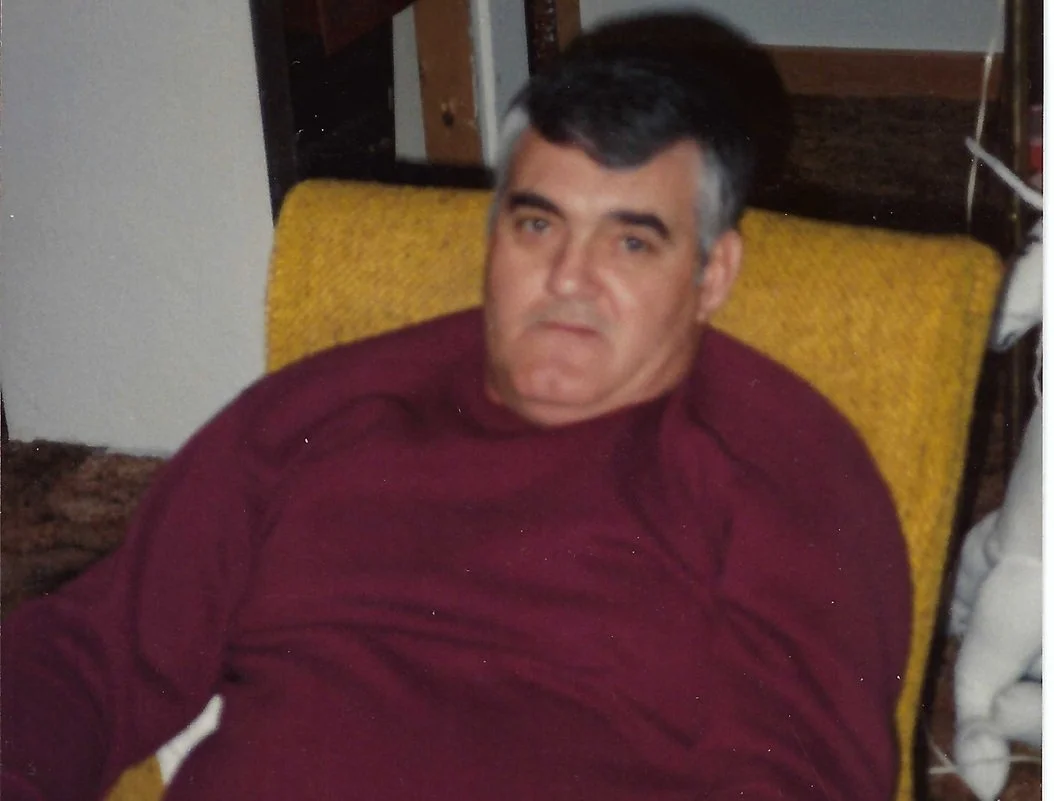
We didn’t need a doctor to tell us something was wrong. The road told us first.
Warning Signs of Dementia: The Road’s First Whisper
Dad had driven from Grove, Oklahoma, to Kansas City more times than I could count. He could’ve made the trip blindfolded, one hand on the wheel and the other gripping a gas station coffee. My mom’s twin sister, Barbara Sue, lived there with her family, and we’d made that run north countless times growing up. Dad knew that route like he knew how to frame a wall or clean a crappie.
But one visit, everything shifted. He and Mom were headed to see Tina and me in Omaha – we’d just bought a house on the lake, and Dad, being a lake guy, had to see it. They stopped in Kansas City first to visit Bobbie. That was familiar territory. But even then, Mom was nearly beside herself when they arrived. Something was already off.
Still, they pushed on the next morning. It should've been a three-hour trip from KC to Omaha. We waited. And waited. Nearly six hours later, they finally pulled into our driveway. Dad was furious. Mom was exasperated. That alone was terrifying. My dad never lost his temper. He’d missed exits, gotten off the wrong ramps, doubled back, and added hours to a route he’d normally master with ease. That wasn’t like him. Not at all.
We told ourselves it was fatigue. Stress. A bad day. But the road wasn’t done talking.
More Warning Signs of Dementia: The Road Kept Talking
Not long after, Dennis’ son Cody was getting married in Kansas City. Mom had already passed away, so Dad made the trip alone. Or tried to. He got within ten or twenty miles of the city, but the closer he got, the more he came undone. Confused and panicked, he pulled to the shoulder and called Den. His voice was thin and breaking.
“I can’t do it,” he said. “You’ll have to come get me.”
This was a man who once built a 29-foot sailboat from scratch using metric blueprints, converting every measurement in his head. A man who could wire a breaker box, rebuild an engine, out-fish anyone on Grand Lake, and still be the first one up for coffee the next morning. He was brilliant. Capable. Unshakeable. And now he couldn’t finish a drive he’d done for decades.
Mental Decline Worsens: Wrong Way on I-40
But the moment that gutted me came a year later.
It was Thanksgiving. We’d moved to Nashville in September 2010, and after Mom passed away on her 71st birthday that March, we didn’t want Dad to spend the holidays alone. He hated flying and insisted on driving. We gave in. When he finally arrived, he was white as a ghost, shaking like a leaf. His voice wasn’t a whisper. It was barely there. It took time, and a lot of patience, to unravel what had happened.
Outside of Jackson, Tennessee, he’d pulled off I-40 to find a restroom. It was dark. He got turned around. He merged back onto the interstate, only it was the wrong side. Eastbound in the westbound lanes. Right into traffic. He panicked. Slammed the gas. Hugged the shoulder, trying to reach the next exit. Miraculously, a highway patrol officer spotted him, pulled him over, and – after confirming he wasn’t drunk – flipped on his lights and escorted Dad safely off the interstate. And then let him go. So he kept driving. All the way to Nashville. Shaking the whole time.
It wasn’t just luck. God was still watching over him, even as the road began to forget him.
He steadied himself over the holidays and, against our begging, drove himself back to Oklahoma. We chalked it up to low blood sugar and somehow convinced ourselves he’d be fine. Looking back now, I don’t know how I could’ve been so foolish. We held our breath until the phone rang with news he’d made it home.
That was the last time we pretended this wasn’t serious.
All of it – the wrong turns, the panic, the near head-on traffic – was the disease showing its teeth. There hadn’t been a diagnosis yet. No label. No warning stamped in red ink. But we didn’t need one. The mind was going. And the man was going with it. Dennis and I didn’t talk much about it back then. But I knew he felt it too.
Down the Family Line: Coping with Dementia
Dad battled Lewy Body Dementia for seven years. It’s a complex and challenging brain disorder that affects thinking, movement, behavior, mood, and other body functions.
My father was a fighter until the end, but by then, a shadow of himself.
Three generations of Glover men – strong men, mighty men, storytellers, builders – have all gone down fighting the same invisible thief. It crept in without warning. It stole their stories, hollowed out their minds, and left behind only shadows where giants once stood. It took my great-grandfather. It took my grandfather. It took my dad. And now it circles me like a buzzard over a battlefield, patient and hungry.
Fighting Dementia: Remembering is War
But I’m not going quietly. Not now. Not ever.
So I fight. I study. I read. I teach. I tell. I write. Because memory doesn’t just fade. It vanishes – unless you chase it down, tackle it to the ground, and trap it in ink.
That’s what this book, Barefoot and Bulletproof, is about. That’s why I wrote it. The road told us something was wrong. This book is my way of answering back. Not just to remember, but to refuse to forget.
This is my sailboat in the storm. My gravel-paved altar. A house built from memory, nailed together with story. I won’t go gentle into that dark night. I’ll rage against the dying of the light – barefoot on Pearl Street, BB scars still raised, chat dust in my lungs, and the Gorilla pounding his chest one last time.
Because forgetting is easy.
Remembering is war.
And this is my war.
Keep the Stories Alive
Join the Chat Rat Chronicles newsletter for exclusive chapters and memoir insights straight from Eric Glover’s journey.